
Create a Wallet
Start with the account model, then create a wallet and understand what recovery information controls access.
Read guide →A multi-chain wallet, blockchain network and Web3 knowledge hub from imtoken
Manage assets across multiple networks, choose the right chain, send and receive with transaction context, connect to DApps, review approvals, learn network concepts and build safer wallet habits in one place.
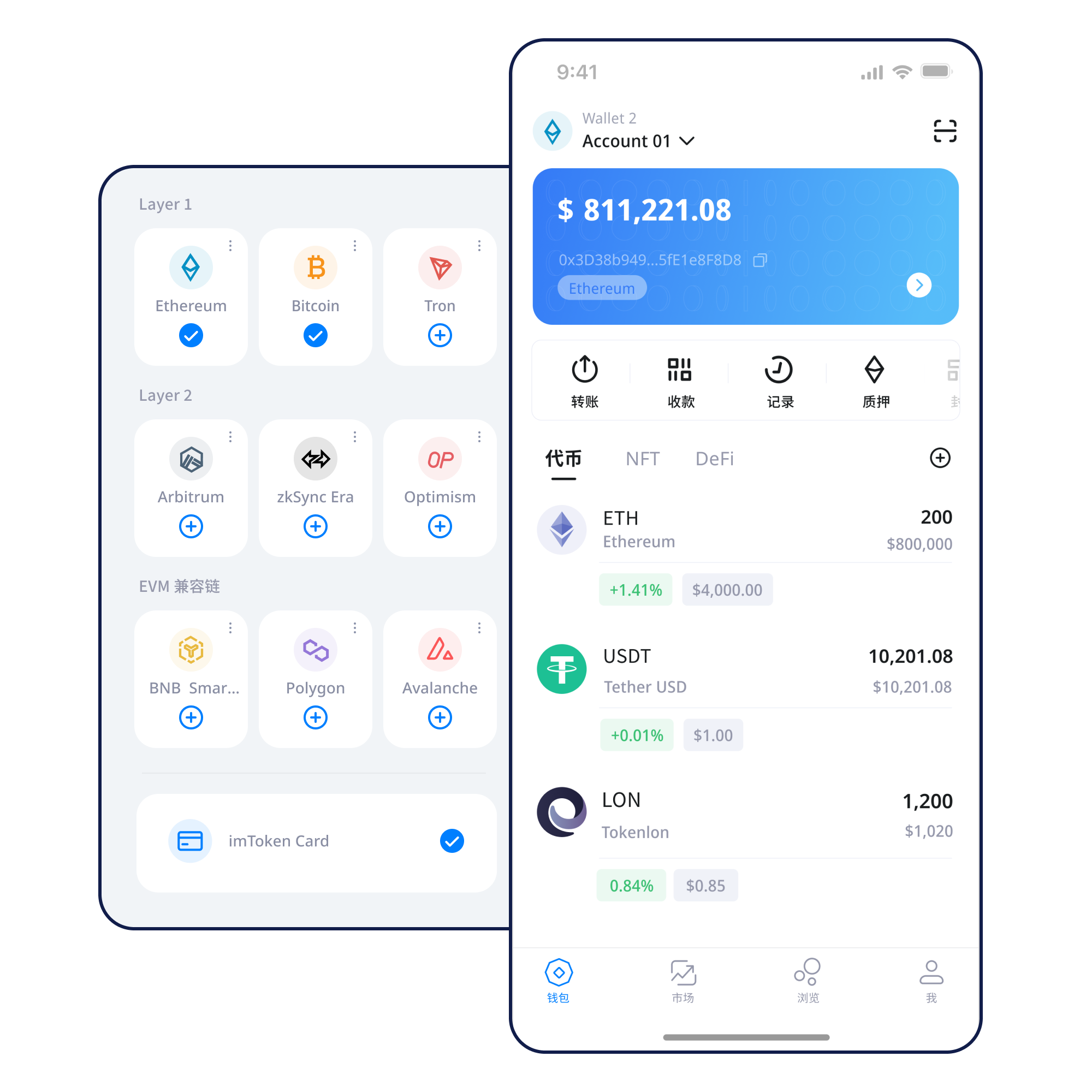
Each action has a different verification focus. Use these entry points to move from intent to the right set of checks.
Start with the account model, then create a wallet and understand what recovery information controls access.
Read guide →Keep recovery information offline and separate from everyday online accounts or screenshots.
Read guide →Check the receive address and selected network before sharing an address with a sender.
Read guide →Verify the destination, network, amount and gas before confirming an on-chain transfer.
Read guide →Confirm the domain and review each connection, signature and approval request independently.
Read guide →Asset display, transfers, network context, DApp interaction and recovery security belong to one operating model, but each requires a different decision.
Understanding multi-chain assets starts with separating what the wallet interface shows from what is actually recorded on-chain. Information about networks, addresses, confirmations may come from the wallet, the selected network, and a block explorer at the same time. Before confirming an action, check the active network, the destination, and the exact type of request. This habit reduces mistakes caused by similar network names, copied addresses, or unclear transaction prompts.
imtoken App is easier to use safely when you understand why each confirmation exists instead of memorizing a sequence of buttons. A practical framework for mobile wallet, network management, transaction history helps you identify where an asset lives, what fees may apply, what confirmation state means, and whether a third-party contract is involved. If a field or permission is unclear, do not skip it because of urgency, countdowns, or instructions from an unverified support account.
App guide →Review the receive address, network, amount, gas and transaction hash as one complete flow.
Use browser connections with deliberate review of the account request, approval scope and disconnect state.
Keep recovery secrets offline and treat every signature or approval as a separate decision.
Network names are only the beginning. Addresses, fees, confirmations, bridges and contract environments determine how an action actually behaves.
Understanding Multi-chain starts with separating what the wallet interface shows from what is actually recorded on-chain. Information about network, address, confirmation, fee may come from the wallet, the selected network, and a block explorer at the same time. Before confirming an action, check the active network, the destination, and the exact type of request. This habit reduces mistakes caused by similar network names, copied addresses, or unclear transaction prompts.
Explore this topic →Public Chains is easier to use safely when you understand why each confirmation exists instead of memorizing a sequence of buttons. A practical framework for network, address, confirmation, fee helps you identify where an asset lives, what fees may apply, what confirmation state means, and whether a third-party contract is involved. If a field or permission is unclear, do not skip it because of urgency, countdowns, or instructions from an unverified support account.
Explore this topic →In real use, EVM often overlaps with network congestion, transaction states, approval scope, and third-party services. When working with network, address, confirmation, fee, keep the transaction hash, review block height and confirmations where relevant, and compare wallet status with explorer data. A wallet organizes the interaction, but it cannot replace the user’s final review of the address, network, amount, signature details, and permissions.
Explore this topic →A repeatable review process makes Layer 2 more manageable: verify the source, verify the network, verify the address or contract, and then verify the exact action you are about to submit. If a request involving network, address, confirmation, fee cannot be explained clearly, stop and reopen the service from a trusted entry point. Seed phrases, private keys, and verification codes are never appropriate fields for a website, promotion, or support conversation.
Explore this topic →Understanding Gas & Confirmations starts with separating what the wallet interface shows from what is actually recorded on-chain. Information about network, address, confirmation, fee may come from the wallet, the selected network, and a block explorer at the same time. Before confirming an action, check the active network, the destination, and the exact type of request. This habit reduces mistakes caused by similar network names, copied addresses, or unclear transaction prompts.
Explore this topic →The sequence matters because later actions depend on earlier security and network decisions.
Use the official download entry and confirm the product name before installation.
Understand whether you are creating a new account set or importing an existing one.
Store the seed phrase offline and never disclose a private key to anyone.
Check network name, chain context and address compatibility before moving assets.
Verify destination, amount and gas before confirming a transfer.
Keep the transaction hash and periodically review permissions you no longer need.
A wallet connection is only the start of an interaction. It does not mean every later signature or approval is appropriate.
Seed phrases and private keys are controlled by the user. Official personnel will not ask for a seed phrase, private key, or verification code, and these details should never be sent through chats, forms, or screenshots. Before a transfer, verify the address, network, and amount; on-chain transactions generally cannot be reversed by the wallet alone. Third-party DApps and smart contracts can introduce risk, so review the approval target, permission scope, and allowance, and consider revoking permissions you no longer need.
Start with the concepts that control access and transaction context, then move into DApps, approvals and long-term security.
Addresses identify destinations, seed phrases and private keys control recovery or signing, networks determine where assets exist, gas pays for execution, transaction hashes help you verify status, and DApp approvals define what a contract may do. Learning these ideas together prevents many common misunderstandings.
Start learning →How nodes, blocks and confirmations shape transaction status.
Understand addresses, gas, contracts and token approvals.
Learn how Layer 2 systems relate to mainnet and bridges.
Review connection, signatures, allowances and revocation.
Build habits for recovery information, devices and transfers.
Use a practical vocabulary for reading wallet and explorer data.
Staking should be understood through protocol mechanics and risk, not fixed-return messaging.
Understanding Ethereum staking starts with separating what the wallet interface shows from what is actually recorded on-chain. Information about PoS, validators, rewards, withdrawals, exits may come from the wallet, the selected network, and a block explorer at the same time. Before confirming an action, check the active network, the destination, and the exact type of request. This habit reduces mistakes caused by similar network names, copied addresses, or unclear transaction prompts.
Read the staking guide →Staking does not guarantee returns. Rewards can change with network conditions, participation, and protocol rules. Exits and withdrawals may involve waiting periods, validators can be subject to network penalties, and smart contracts or third-party services can introduce technical and operational risks. Digital asset prices can also fluctuate significantly, so participation should be based on the user’s own understanding, risk tolerance, and financial circumstances.
Learn about validators →Updates are presented without invented dates, partnership claims, user counts or rankings.
Read the relevant guide for the current product, network or security context.
Read the relevant guide for the current product, network or security context.
Read the relevant guide for the current product, network or security context.
Read the relevant guide for the current product, network or security context.
Read the relevant guide for the current product, network or security context.
Short answers to the questions that often come up before transfers, DApp use and account recovery.
A digital wallet manages accounts, addresses, and signing interactions. Asset records live on blockchain networks; the wallet helps users view them and initiate actions.
A seed phrase can usually derive and restore a group of accounts, while a private key controls signing for a specific account. Both are highly sensitive and should be stored offline by the user.
Anyone who obtains a seed phrase or private key may gain control of the account. Official personnel will not ask for this information.
Assets with similar names can exist on different networks. Choosing the wrong network can prevent the transfer from arriving as expected or require additional recovery steps.
Gas measures the network resources required to execute a transaction or contract action. The final fee depends on network conditions and transaction complexity.
A transaction hash is the key identifier for checking on-chain status in a block explorer, including blocks, confirmations, and execution results.
After submission, a transaction must be included by the network and gain confirmations. Congestion, fee settings, and the chain’s block production process can affect the wait.
Download through the unified entry point, then use the guides to verify networks, transactions, signatures and approvals as you go.